
The real estate capital markets are poised to increase by 50% over the next five years. Follow the ‘easy money’ to see why:
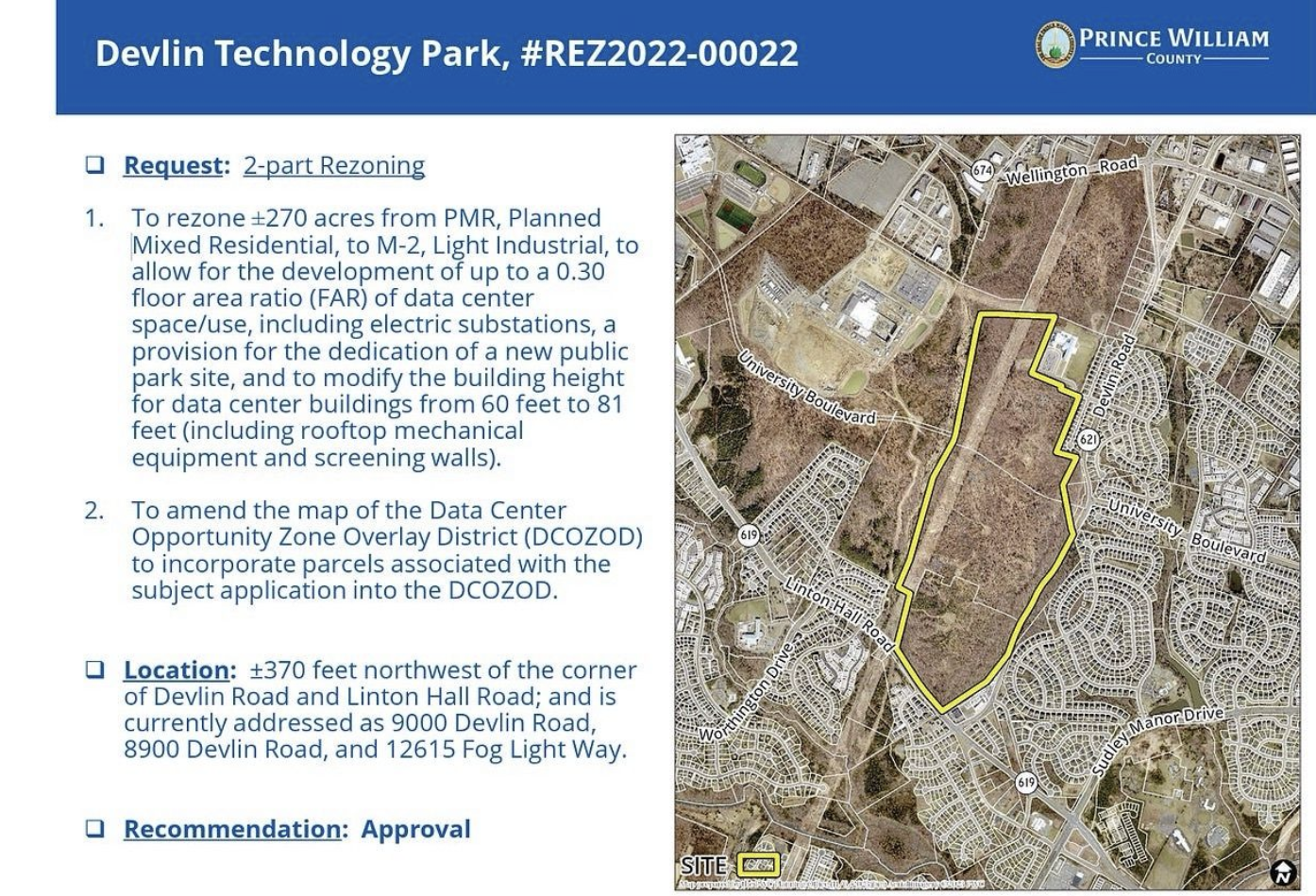
Six years ago, a homebuilder aggregated 189 undeveloped acres in Northern Virginia for $51 million.
Instead of pursuing traditional housing zoning, the builder upzoned the site for data centers, then sold it to Amazon for $700 million.
$51 million → $700 million in three years without swinging a hammer.
Over the last 50 years, commercial real estate generated 8-9% average returns, mostly from clipping coupons.
You can get stronger returns by taking more risk with transitional properties and development, but getting more than 15% IRR and 2x multiples has proven to be impossible to sustain; you just can’t consistently manufacture crazy returns in a slow-moving, capital-intensive sector.
…unless you’ve been sitting on data center land.
The data-center-land lottery example above (and others like it) led us to a key question:
How can these data center developers pay so much for land?
Simple answer:
“Because land makes up a small portion of the total cost.”
Fine, but that isn’t the root cause. So we kept digging. The real answer has a lot to do with the guts of a data center.
Check out our most recent Substack deep dive, “this AI thing better work,” to follow the dollars.
COMMENTS